
Years 10 to 12 Students Field Trip Blends IGCSE & AS-Level Skills with Real-World Sustainability
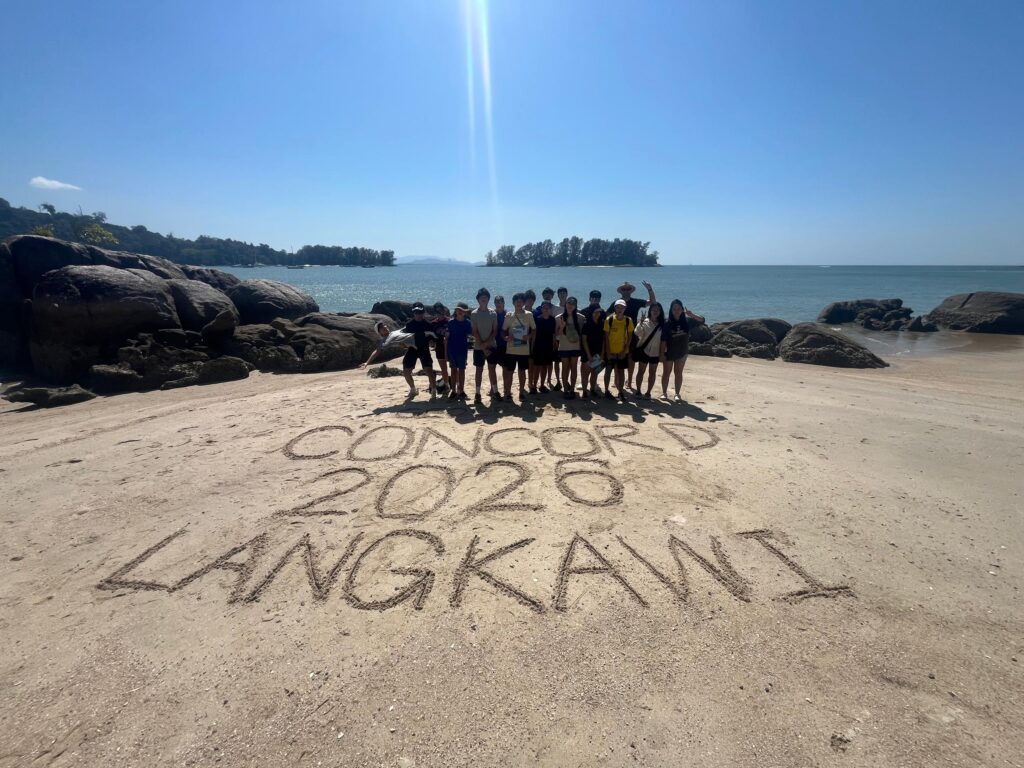
Sixteen (16) Concord Malaysia’s IGCSE Geography students accompanied by Geography teachers Mr Ross Evans and Mr Tim Bown, traded their classrooms for the diverse landscapes of Langkawi.
Their mission was simple, to transform IGCSE and AS Level theories into tangible field experience that they could also use to tackle their exams questions related to fieldworks.
The 4 days, 3 nights field explorations and investigations were a carefully crafted academic expedition designed to fulfil the requirements of the subject while mastering the core pillars of geographical enquiry: data collection, analysis, and evaluation.
A Three-Pronged Investigation
Students engaged in three focused studies:
- Tourism Impact Analysis: Students conducted environmental quality and tourism impact surveys, directly assessing the impact tourism plays on the environments, societies and economies.
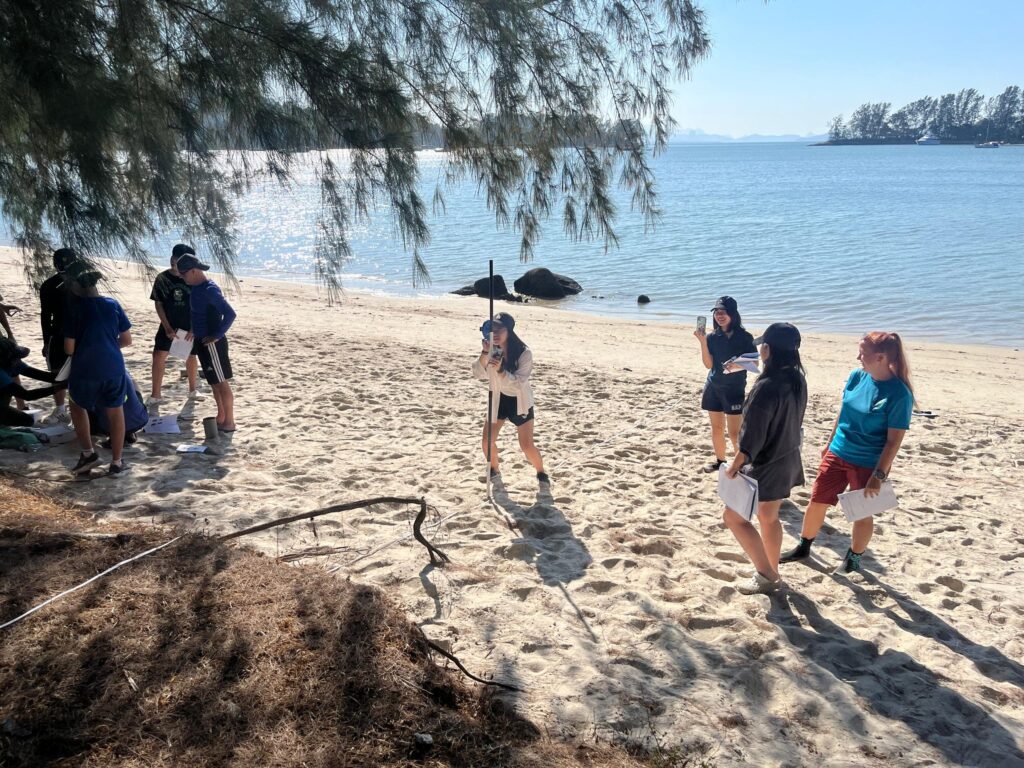
- Coastal Studies: On Langkawi’s varied beaches, they became physical geographers, collecting samples and data to understand coastal formations and landforms.
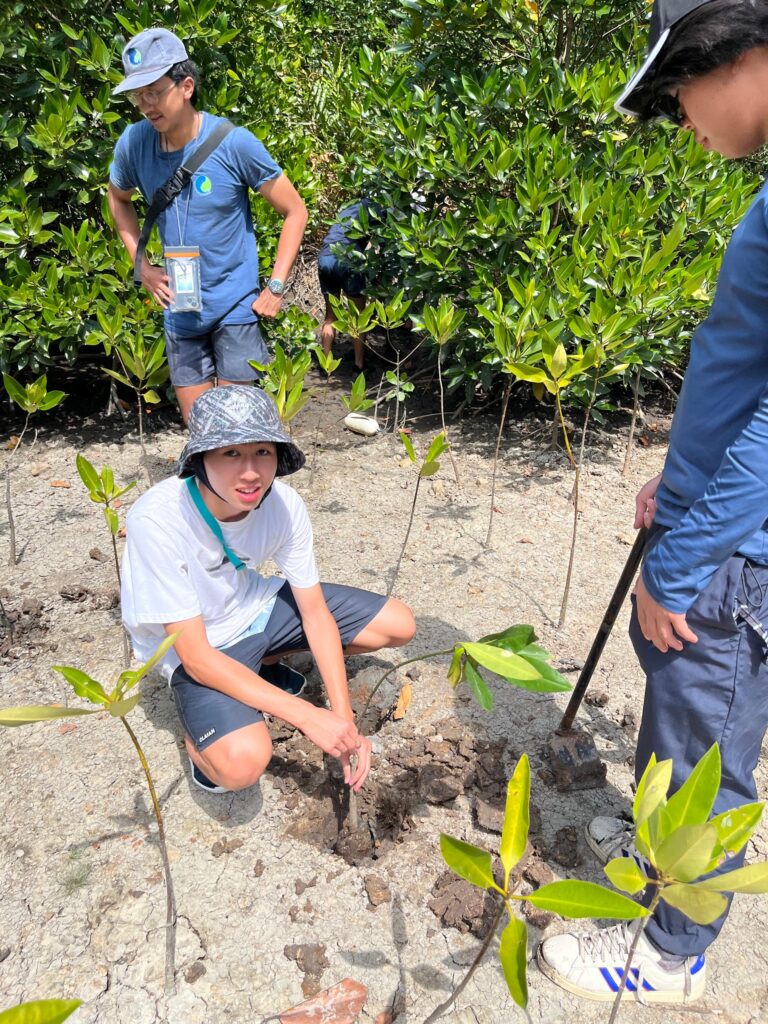
- Mangrove Ecosystem Studies: Perhaps the most adventurous part of the 4-day programme was the mangrove exploration on kayak. Delving into these vital habitats, they investigated the unique characteristics and ecological significance of mangrove forests.
“Langkawi was the perfect natural laboratory,” explained Ross Evans, one of the geography teachers leading the field trip. “It offered contrasting beaches for physical geography comparisons and a robust tourist economy for human geography fieldwork, all within one accessible location.”
The Skills Toolkit – More Than Just Data
Beyond knowledge, the trip was built to instill essential academic competencies:
- Data Collection: Working in small groups, students implemented proper sampling techniques while managing real-world field risks.
- Data Analysis and Presentation: Processing their findings, building graphs and maps to narrate their data.
- Critical Evaluation: In group debriefs, students critically assessed their own methodologies, asking, “How could we improve this study next time?” This reflective practice is at the heart of research projects at tertiary level.
While fieldwork remain the core activity, the trip were made even more meaningful when sustainable practices theory leapt off the page at the hotel used as home-base. Students experienced sustainable tourism as opposed to reading it off books and devices. They were taken on an educational tour around the eco-resort and discovered how the hotel managed waste, conserved water and energy, and sourced food locally including learning about eating in-season which simply translate to better food and cost management.
Dr. Phil Outram, Executive Principal, said that “at Concord, rigour means moving beyond theory to disciplined, real-world enquiry. This exciting geography fieldwork trip required our students to collect reliable data, evaluate their methods, and think critically – the same academic habits that underpin success in IGCSE, A Level, and beyond.”
Navigating these natural landscapes, collecting real data and having that actual immersive experience that the school hopes will build students confidence, curiosity and competence.
